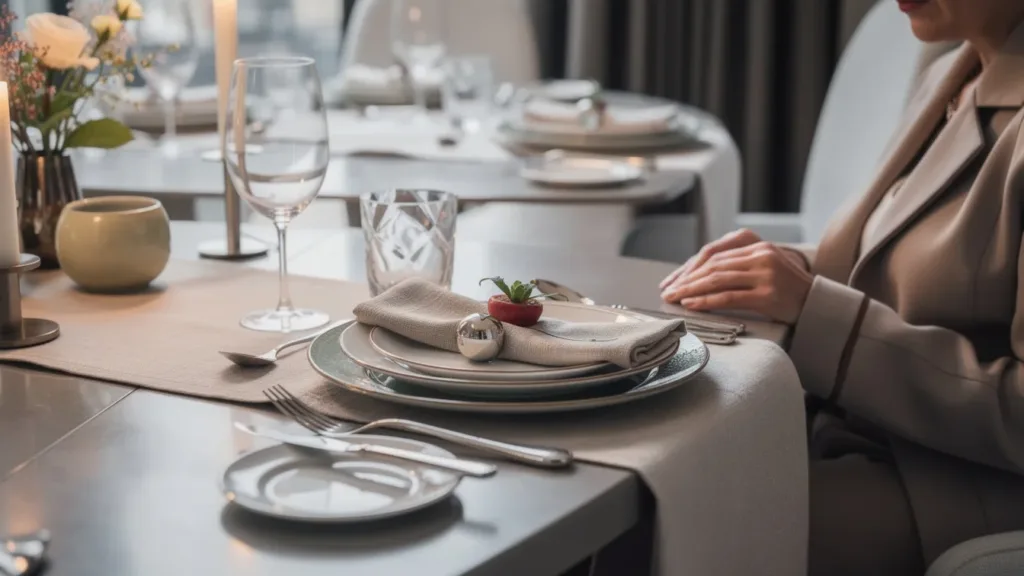
Have you ever found yourself sat awkwardly at a dinner table, desperately trying to navigate who sits where and what the proper protocol is? Well, I have—and it’s a minefield out there! As we step into the first month of the year, it’s time to dig into why following *traditional dining rules* might actually be making your guests feel uneasy. In our quest for perfect *dining etiquette*, let’s uncover how *seating science* plays a major role in creating that warm, welcoming atmosphere we all strive for.
Highlights
- Seating Psychology: Understand how layout affects interactions.
- Traditional Rules: Why they can backfire in modern settings.
- Social Dynamics: The importance of including everyone at the table.
- Guest Comfort: Creating an enjoyable atmosphere through thoughtful arrangements.
Did you know? Studies show that *seating arrangements* can influence the amount of conversation and the length of stay during a meal—just by shifting a few chairs around! 🍽️
Understanding Seating Psychology
Seating isn’t just a matter of sticking people where there’s space; it’s about maximizing comfort and connection. When I host, I feel a rush of adrenaline at the thought of threading together the right social dynamics. Sure, the food is important, but how guests interact is the real heart of the evening. For example, seating couples together may seem romantic, but isn’t it more pleasurable to mix personalities and encourage conversation between different groups? Flexibility can transform dinner into a memorable event.
Here’s a lightweight truth: research suggests that an open seating arrangement—think communal tables—can create a sense of inclusion. Want your guests to feel part of the evening? Ditch the rigid seating charts and embrace a more fluid setup. 🎉
The Trap of Traditional Dining Rules
We’ve all been told about *traditional rules*—who to invite, who gets the best seat, and even how to hold a fork! In 2026, many of these norms are outdated and can create extended awkward silences. For instance, the “guest of honor” being positioned directly across from the host can actually make things feel more formal and less inviting. Guests may feel they’re under scrutiny rather than enjoying a laid-back evening.
Let’s bring humor into this! Who hasn’t experienced the cringe after saying, “So, how do you know the bride?” to someone who’s been left alone at the end of the table? It’s all about ease and connection, after all. The goal should be to foster an environment where laughs and stories flow, rather than worrying about where everyone sits.
Creating Guest Comfort With Smart Arrangements
Your guests’ comfort should be at the forefront of your *host strategies*. Here’s a nifty tip: create zones within your space. Use furniture to naturally divide areas for conversation, chilling, or even dancing. This not only helps keep conversations lively but also allows for a balance between intimacy and social connection.
- Utilize soft cushions and blankets to invite comfort. 🛋️
- Consider temperature control; nobody wants to feel like they’re melting during dinner! ❄️
- Low lighting can evoke a homely feel, but ensure it’s not too dim. You want conversation, not a game of ‘guess who is talking!’. 💡
Reflecting on my own hosting experiences, I realise that a thoughtfully arranged table can encourage my guests to linger a bit longer, making it more fun for everyone involved. Who doesn’t love a good chat that stretches past dessert?
The Role of Modern Dining in Improving Experiences
We live in a rapidly changing world where *modern dining* concepts are reshaping our experiences. Integration of technology can add that unique flair! Imagine a digital seating chart displayed on a tablet, suggesting who should sit where based on past interactions. It sounds futuristic, but with the right data, it’s not as wild as it seems!
My friends recently tried this at a potluck, and it was a hit! It removed all the guesswork about seating arrangements and let us focus on the food and laughter. Technology is enhancing guest experiences, offering something fresh to our gatherings. Perhaps, Karaoke tables and virtual seat-finders are on the horizon! 🎤
As I mull over these fresh ideas, I am reminded that the essence of dining lies in connection and comfort. In a landscape where *guest uneasiness* can better be managed through intuitive seating psychology, there’s hope for a more relaxed dining culture ahead.
Action Steps for the Savvy Host
Feeling equipped to tackle your next dinner party? Here are some *action steps* to help you create that seamless experience for your guests:
- Evaluate your seating arrangements ahead of time—ask yourself if it promotes interaction. 🤔
- Be adaptable! Sometimes, a sudden change in guests or mood may call for a shift in your setup. 🔄
- Consider creating a creative seating chart that matches your evening’s theme. 🌈
Stay curious about how breaking from *traditional rules* can lead to incredible gatherings where everyone feels cherished. The key is to embrace modern approaches while anchoring them in the comfort your guests deserve.