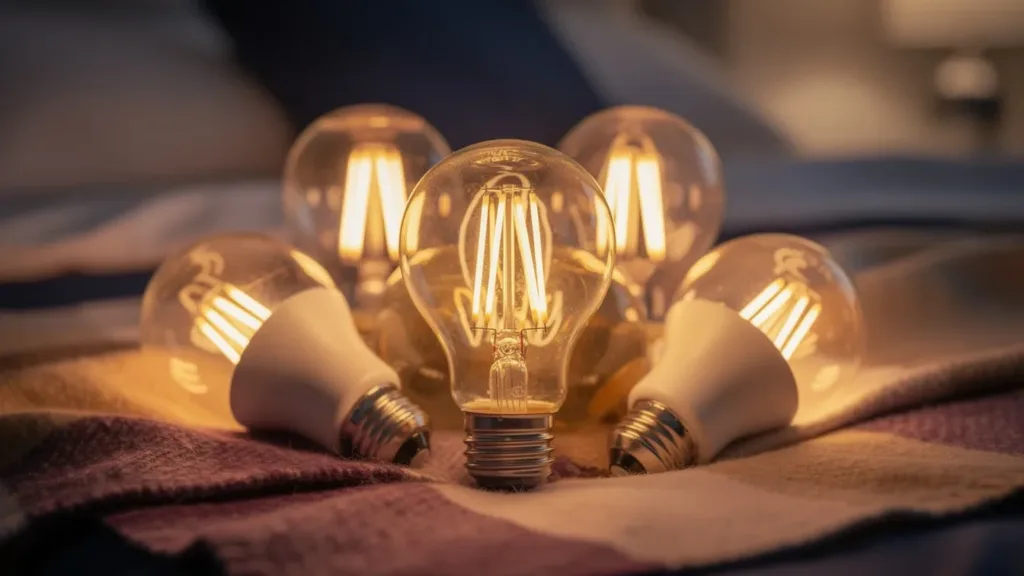
As I curled up in bed, the soft, dim glow of my bedside lamp engulfed the room in warmth. Little did I know, this tiny act could make or break my sleep quality. It turns out, the light color I choose at night can affect my body’s *circadian rhythm* and *melatonin* production, leading to a deeper, more restorative slumber. Welcome to the fascinating world of sleep science—a realm where choosing the right light bulb can transform your sleep experience. Are you ready to uncover which hues could help you drift off effortlessly?
Highlights
- 🌟 The color of light significantly impacts sleep quality.
- 💡 *Red light* promotes relaxation and enhances melatonin production.
- 🚫 Avoid *blue light* at night; it disrupts the circadian rhythm.
- 📏 *Light intensity* matters—softer, warmer lights are your best bet.
- 🌙 Create a *sleep environment* that signals your body to wind down.
Did you know? A mere eight lux of light can suppress melatonin production, even under dim conditions!
Why Does Light Matter for Sleep?
Understanding how light interacts with sleep is crucial for anyone struggling with nighttime restlessness. Our bodies function on a *circadian rhythm*, a biological clock that tells us when to feel alert and when to wind down. This rhythm is heavily influenced by the type of light we’re exposed to. Bright, *blue light* from screens or overhead bulbs can confuse our internal clock, pushing our bedtime back and compromising our sleep quality.
For example, in my own experience, switching the light in my bedroom from harsh white to a warmer amber shade made a noticeable difference. I went from tossing and turning to peacefully drifting off in minutes. Research backs this up; under blue light, people take about 19 minutes to fall asleep. Swapping in something warmer? That time drops to a cozy 11.8 minutes.
The Best Bulb Choices for Better Sleep
So, what are the best bulbs to encourage a deep rest? Let’s break it down:
- ✅ Red Lights: These are the champions of sleep. Studies show using red light can help you fall asleep in just 1-3 minutes. It’s what I now start my wind-down routine with.
- 🌅 Amber and Orange Lights: Mimicking the colors of sunset, they trick your body into thinking it’s time to sleep. They have minimal effects on melatonin levels, making them a solid choice for nighttime.
- ❌ White and Blue Lights: These are the villains that mess with your melatonin. White light can cut melatonin by over 50%, making it harder to catch those Z’s.
Choosing the right *light intensity* is equally important. With warmer bulbs on low settings, you’ll create the perfect atmosphere for winding down. Think about a cozy den rather than a bright conference room. Your sleep environment is your sanctuary!
Practical Lighting Tips for a Sleep-Friendly Environment
If you’re feeling overwhelmed by the choices in lighting, you’re not alone. I’ve been there. It’s taken some careful adjustments for me to finally craft a sleep-friendly haven. Here’s what I’ve learned and what might work for you:
- 🕯️ Dimmable Lamps: Install *dimmable switches* on your lamps. They let you slowly transition from bright light to a soft glow as bedtime approaches.
- 📱 Blue Light Filters: Utilize these on your devices. If you must look at screens, they’ll help shield you from that pesky blue light that keeps you alert.
- 🛌 Smart Bulbs: Invest in bulbs that mimic natural light patterns, providing a gentle morning wake-up as well as a winding-down effect at night.
Incorporating these strategies can feel like a game-changer. Remember, the goal is to cultivate a relaxing ambiance that nudges your body into sleep mode. Less stress, more rest—that’s the mantra!
The Final Stretch: Setting Up Your Sleep Routine
As you embark on this lighting journey, consider establishing a routine. This isn’t merely about changing bulbs; it’s about creating an intentional sleep sanctuary. I usually dim my lights an hour before bed and switch to warm options. This signals to my brain, “Hey, it’s time to wind down!”
After a while, I noticed my body naturally began to associate those dim, warm lights with relaxation and sleep, making it easier than ever to slip into slumber. It’s about setting the mood.
Take Action for a Better Night’s Sleep!
If you’re keen to explore how lighting impacts your sleep, why not start tonight? Swap out a bulb, set a dimming schedule, and see what happens. Your body, mind, and the quality of your sleep will thank you.
Don’t forget to share your experiences! I’d love to hear how switching up your lighting has affected your journey to restful sleep. And remember, the right light can illuminate not just your bedroom, but your well-being.
With just a few smart choices, you can transform your sleep environment into a haven for deep rest. 🌙